How to Find Your Chase Routing Number
Finding your Chase routing number may seem confusing at first, especially when you need it for direct deposits, wire transfers, automatic bill payments, or setting up a bank account connection. Many people assume their account number and routing number serve the same purpose, but each one has a different role. A routing number identifies the bank, while an account number identifies your personal account.
If you bank with Chase, you can find your routing number through several quick methods. The right routing number depends on your state and the type of transaction you plan to complete. Knowing where to look can save time and prevent payment delays. This guide explains the easiest ways to find your Chase routing number and use it correctly for different banking needs.
How to Find Your Chase Routing Number
Several simple methods can help you locate your Chase routing number. Choose the option that works best for you.
Check Your Chase Checks
One of the fastest ways to find your routing number involves looking at a personal check.
The numbers at the bottom of the check appear in this order:
- Routing number
- Account number
- Check number
The routing number consists of nine digits and appears on the far left side.
This method works well if you have a physical checkbook available.
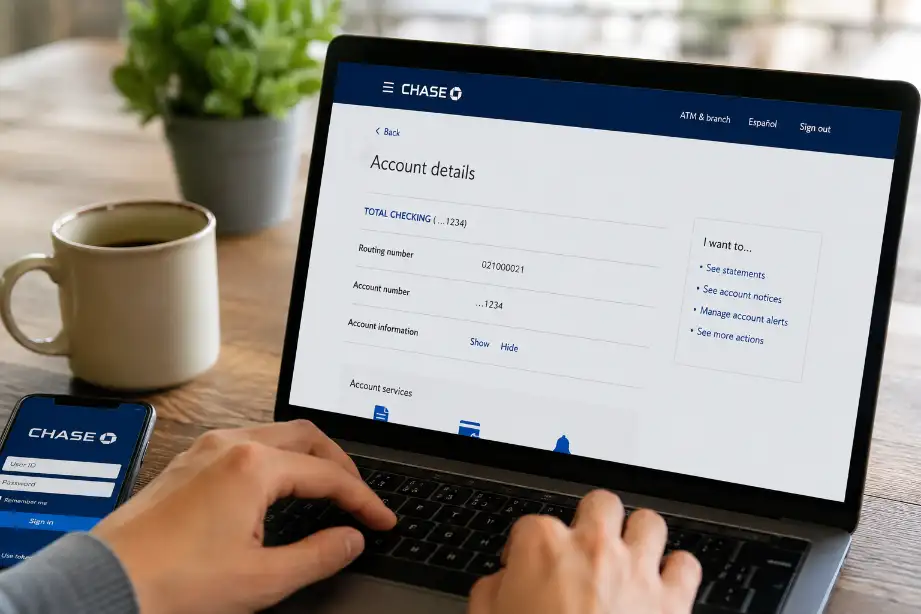
Sign In to Your Chase Online Account
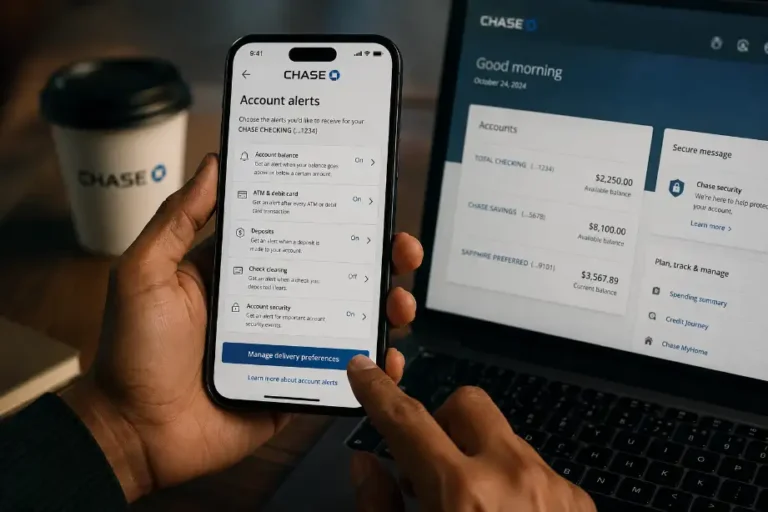
Chase allows customers to view routing numbers through online banking.
Follow these steps:
- Log in to your Chase account.
- Select the account you want to use.
- Open the account details section.
- View the routing number listed with your account information.
This option provides accurate information directly from the bank.
Use the Chase Mobile App
Many customers prefer mobile banking because of its convenience.
To find your routing number:
- Open the Chase Mobile App.
- Sign in securely.
- Select your checking or savings account.
- Tap account details.
- Locate the routing number.
The app gives quick access whenever you need banking information.
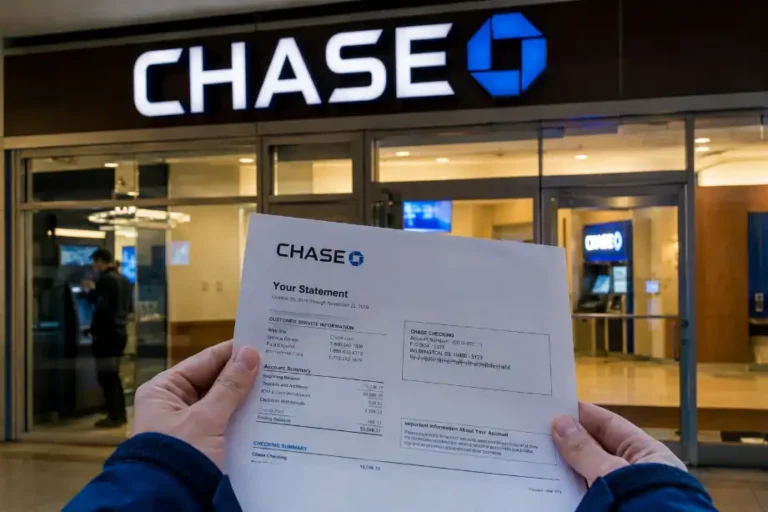
Review Your Bank Statement
Your monthly bank statement often includes your routing number.
You can:
- Download electronic statements.
- Review mailed paper statements.
- Check the account information section.
This method works well if you need both your account number and routing number.
Contact Chase Customer Service
Customer service representatives can provide routing information if you need assistance.
Before calling:
- Keep your account details nearby.
- Verify your identity when requested.
- Ask whether a different routing number applies to your transaction.
A representative can help you avoid mistakes.
Visit a Local Chase Branch
A Chase banker can provide your routing number in person.
Benefits of visiting a branch include:
- Immediate assistance.
- Answers to banking questions.
- Help with wire transfers and direct deposits.
Bring identification when visiting a branch.
Why Chase Uses Different Routing Numbers
Many customers feel surprised when they discover Chase uses multiple routing numbers.
Banks often assign routing numbers based on:
- State location
- Account opening location
- Transaction type
- Wire transfer requirements
For example, a customer who opened an account in California may have a different routing number than someone who opened an account in Texas.
Always verify the correct number before sending or receiving money.
Common Transactions That Require a Chase Routing Number
You may need your routing number for several financial activities.
Direct Deposit Setup
Employers often request:
- Routing number
- Account number
- Bank name
Providing accurate information helps ensure your paycheck arrives on time.
Automatic Bill Payments
Utility companies, lenders, and subscription services may require routing details when setting up automatic payments.
Correct information prevents failed transactions.
Tax Refund Deposits
Government agencies use routing numbers to send refunds directly to your bank account.
Double-check all details before submitting tax documents.
Money Transfers
Electronic transfers between financial institutions require routing information.
Incorrect numbers can delay transfers or cause processing issues.
Wire Transfers
Domestic and international wire transfers may use specific routing instructions.
Always confirm wire details directly with Chase before sending large amounts.
How to Verify Your Chase Routing Number
Verification helps prevent banking errors.
Use these steps:
Compare Multiple Sources
Check your routing number through:
- Online banking
- Mobile app
- Checks
- Statements
Matching information confirms accuracy.
Confirm With Chase Support
Customer support can verify routing details when you feel uncertain.
This extra step helps avoid rejected payments.
Match the Transaction Type
Some transactions require unique routing information.
Examples include:
- ACH transfers
- Domestic wires
- International wires
Confirm the correct number before processing payments.
Common Mistakes to Avoid
Many banking issues happen because customers enter incorrect information.
Mixing Up Account Numbers and Routing Numbers
A routing number identifies the bank.
An account number identifies your specific account.
Always enter each number in the correct field.
Using an Old Routing Number
Banks occasionally update routing information after mergers or system changes.
Verify the current routing number before starting a transaction.
Assuming All Chase Customers Use the Same Number
Different states may use different routing numbers.
Never copy someone else’s routing information.
Entering Numbers Incorrectly
A single wrong digit can create delays.
Review every digit carefully before submitting forms.
Tips for Keeping Your Banking Information Safe
Routing numbers alone do not grant access to your account, but protecting financial information remains important.
Follow these safety practices:
- Avoid sharing account details publicly.
- Use secure internet connections.
- Enable two-factor authentication.
- Monitor account activity regularly.
- Store banking documents safely.
Good security habits reduce the risk of fraud.
What to Do If a Payment Fails
Sometimes a payment fails because of routing number errors.
Take these steps:
- Review the routing number entered.
- Verify the account number.
- Contact Chase support.
- Contact the sender if needed.
- Resubmit the transaction with correct information.
Quick action often resolves issues without major delays.
Understanding the Difference Between Routing Numbers and SWIFT Codes
People often confuse routing numbers with SWIFT codes.
Routing numbers work primarily within the United States banking system.
SWIFT codes help identify banks during international transfers.
When receiving international funds, Chase may require both your account information and the appropriate SWIFT code.
Check with Chase before initiating international transactions to avoid transfer problems.
Conclusion
Finding your Chase routing number does not require much effort once you know where to look. You can locate it on your checks, online banking account, mobile app, bank statements, or by contacting Chase customer service. Since Chase uses different routing numbers based on location and transaction type, always verify the correct number before sending money or setting up payments. Accurate banking information helps prevent delays, failed transactions, and unnecessary stress. Taking a few extra minutes to confirm your routing number can save significant time later and keep your financial transactions running smoothly.
F.A.Q
What is a Chase routing number?
A Chase routing number is a nine-digit code that identifies Chase Bank during financial transactions.
Can I find my Chase routing number online?
Yes, you can view it through Chase online banking or the mobile app.
Is the routing number the same as my account number?
No, the routing number identifies the bank, while the account number identifies your account.
Do all Chase customers use the same routing number?
No, Chase uses different routing numbers depending on the state and transaction type.
Can I find my routing number on a check?
Yes, the routing number appears on the bottom left corner of a check.
Do wire transfers use the same routing number as ACH transfers?
Not always, so verify the correct routing information before sending funds.
What happens if I enter the wrong routing number?
The transaction may fail, become delayed, or get rejected by the banking system.