What Happens When a Merchant Charges Your Debit Card Twice?
Few things feel more frustrating than checking your bank account and noticing the same purchase charged twice. You buy a product or service, complete the transaction, and move on with your day. Later, you discover that the merchant charged your debit card two times for the same purchase. This situation can create stress, especially when the duplicate charge affects your available balance or causes other payments to fail.
Double charges happen for several reasons, including payment processing errors, technical issues, cashier mistakes, or delayed transaction updates. The good news is that banks and merchants usually have procedures to correct these errors. Understanding why duplicate charges happen and knowing the right steps to take can help you recover your money quickly and avoid unnecessary financial problems.
What Happens When a Merchant Charges Your Debit Card Twice?
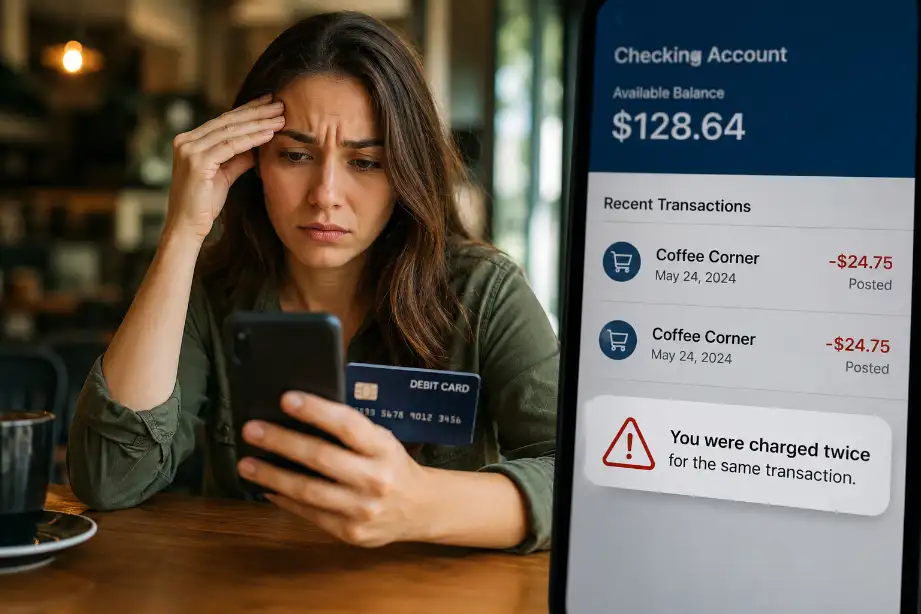
When a merchant charges your debit card twice, your bank account may show two separate transactions for the same purchase amount. The effect depends on whether the charge is pending or fully processed.
Check Whether the Charge Is Pending
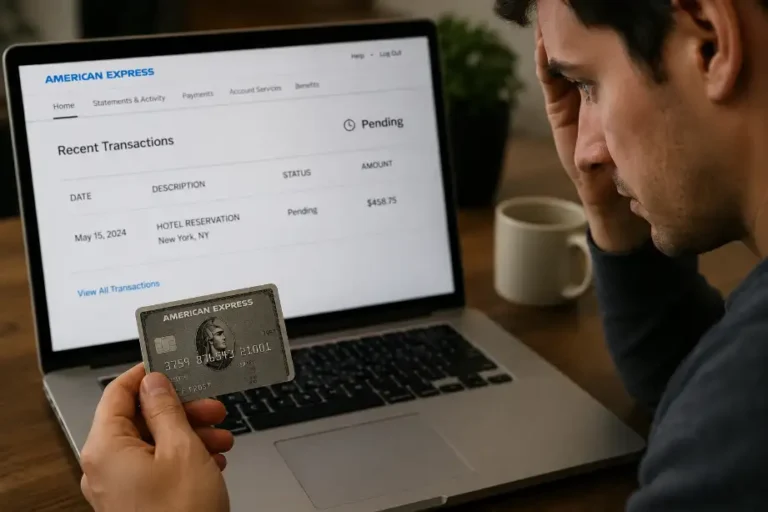
Many duplicate charges appear as pending transactions. A pending transaction does not mean the merchant has collected the money yet. Banks place a temporary hold on funds while they verify the payment.
In many cases:
- One transaction completes successfully.
- The second transaction disappears after a few days.
- Your account balance returns to normal automatically.
Pending charges often clear within:
- 1 to 3 business days for most retail purchases.
- Up to 7 business days for some merchants.
- Longer periods for hotels, car rentals, or travel services.
If Both Charges Post Successfully
If both transactions move from pending to completed status, the merchant may have processed your payment twice.
When this happens:
- The merchant receives payment two times.
- Your account balance decreases by the duplicate amount.
- You may face overdraft issues if your balance becomes too low.
- You have the right to dispute the extra charge.
Common Reasons for Duplicate Debit Card Charges
Several situations can result in a merchant charging your debit card twice.
Technical System Errors
Payment terminals, point-of-sale systems, and online checkout platforms sometimes experience technical glitches. A failed connection may cause the system to resend the transaction request.
Cashier Mistakes
A cashier may believe the first payment attempt failed and run the card again. If both transactions process successfully, your account receives two charges.
Slow Network Connections
Internet interruptions can cause confusion during payment authorization. The merchant may submit the payment again while the first request still processes in the background.
Online Checkout Problems
Many customers click the payment button multiple times when a website responds slowly. This action can create duplicate transactions.
Merchant Processing Errors
Some merchants accidentally submit the same transaction more than once during their end-of-day processing procedures.
How to Confirm a Duplicate Charge
Before reporting a problem, verify that the charge actually appears twice.
Look for these details:
- Same merchant name
- Same purchase amount
- Same transaction date
- Similar transaction descriptions
Check your receipt and compare it with the transactions shown in your online banking account.
Steps to Take When You Notice a Double Charge
Act quickly after discovering the issue.
1. Review Your Transaction History
Open your banking app or online account and review both transactions carefully.
Confirm:
- The amounts match.
- The merchant name matches.
- The charges are not separate purchases.
2. Wait for Pending Charges to Clear
If one or both transactions show as pending, wait a few business days. Many duplicate charges disappear automatically.
3. Contact the Merchant
Reach out to the merchant before contacting your bank.
Provide:
- Transaction date
- Purchase amount
- Receipt number
- Last four digits of your debit card
Many merchants can identify the error and issue a refund quickly.
4. Request Written Confirmation
Ask the merchant to provide confirmation if they agree to reverse the duplicate charge. Keep emails, receipts, and reference numbers for your records.
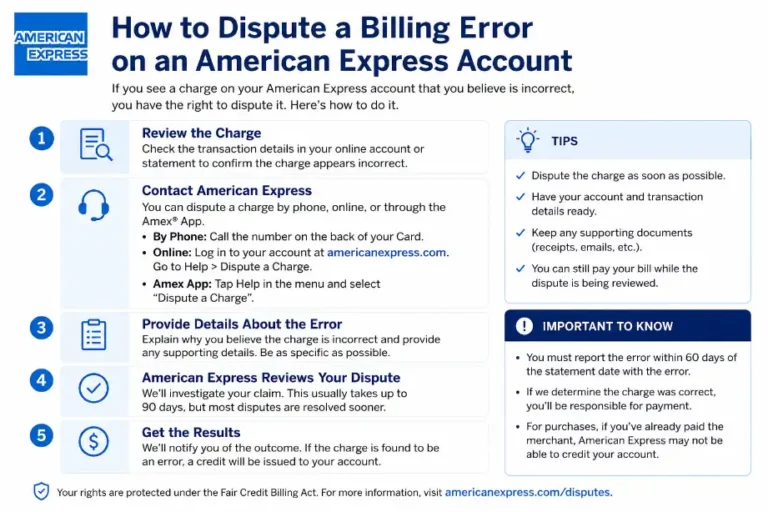
5. Contact Your Bank
If the merchant does not resolve the issue, contact your bank’s customer service department.
Your bank may:
- Investigate the transaction
- Issue a temporary credit
- Open a formal dispute case
- Recover the extra payment
How Long Does It Take to Get Your Money Back?
Refund timelines vary depending on the merchant, bank, and payment network.
Typical timeframes include:
| Situation | Estimated Time |
|---|---|
| Pending charge removal | 1–7 business days |
| Merchant refund | 3–10 business days |
| Bank dispute investigation | 10–90 days |
| Temporary credit from bank | A few days to several weeks |
Keep monitoring your account until the refund appears.
Can a Duplicate Charge Cause Overdraft Fees?
Yes, a duplicate debit card charge can trigger overdraft fees if it reduces your available balance below zero.
For example:
- Your account contains $100.
- A merchant charges $60 twice.
- The second charge creates a negative balance.
- The bank may apply overdraft fees.
Contact your bank immediately if a duplicate charge causes additional fees. Many banks reverse these fees after confirming the merchant’s error.
Your Rights Under Debit Card Dispute Rules
Consumers receive protections when unauthorized or incorrect debit card transactions occur.
To protect yourself:
- Report the issue as soon as possible.
- Keep transaction records.
- Save receipts and communication logs.
- Follow your bank’s dispute procedures.
Most banks investigate duplicate transaction claims and work with payment networks to recover funds.
How to Prevent Duplicate Debit Card Charges
While some errors remain unavoidable, several habits can reduce the risk.
Keep Your Receipts
Store receipts until transactions appear correctly in your account.
Avoid Repeated Payment Attempts
If an online checkout page freezes, wait for confirmation before clicking again.
Monitor Your Account Regularly
Check your account activity frequently to catch errors early.
Use Banking Alerts
Many banks offer transaction alerts through text messages or mobile apps.
Benefits include:
- Immediate notification of purchases
- Faster detection of duplicate charges
- Better account security
Verify Card Terminal Messages
At physical stores, wait until the payment terminal displays a completed transaction message before attempting another payment.
Difference Between a Duplicate Charge and a Temporary Authorization Hold
Many consumers mistake authorization holds for duplicate charges.
A temporary authorization hold:
- Reserves funds temporarily.
- Appears as a pending transaction.
- Usually disappears after final payment processing.
Common businesses that use authorization holds include:
- Hotels
- Gas stations
- Car rental companies
- Restaurants
A true duplicate charge occurs when two completed transactions remain on your account for the same purchase.
When Should You File a Formal Dispute?
Consider filing a dispute when:
- The merchant refuses to help.
- Both charges remain posted.
- The refund does not arrive within the promised timeframe.
- The duplicate transaction creates financial hardship.
- You suspect fraudulent activity.
Most banks allow disputes through:
- Mobile banking apps
- Online banking portals
- Customer service phone lines
- Bank branches
Conclusion
A merchant charging your debit card twice can create confusion and financial stress, but most duplicate charges have simple solutions. Start by checking whether the transactions remain pending, since many duplicate entries disappear without any action. If both charges post successfully, contact the merchant and request a correction. Keep all receipts and transaction records while monitoring your account closely. If the merchant fails to resolve the problem, your bank can investigate and help recover the extra payment. Quick action improves your chances of receiving a faster resolution and helps prevent additional issues such as overdraft fees or account balance shortages.
F.A.Q
Why was my debit card charged twice for one purchase?
A payment processing error, technical issue, or cashier mistake often causes duplicate charges.
Will a pending duplicate charge disappear automatically?
Yes, many pending duplicate charges disappear within a few business days.
How do I prove a merchant charged me twice?
Compare transaction amounts, dates, merchant names, and your purchase receipt.
Should I contact the merchant or the bank first?
Contact the merchant first because many duplicate charges can be fixed directly.
How long does a debit card dispute take?
Most investigations take anywhere from a few days to several weeks.
Can a duplicate charge affect my available balance?
Yes, duplicate charges reduce available funds until the issue gets resolved.
Can I get overdraft fees refunded after a duplicate charge?
Many banks refund overdraft fees when a duplicate merchant charge caused them.