Why Does an Online Store Reject My Debit Card Even Though It Is Active?
Online shopping makes life easier. You can buy groceries, clothes, electronics, and many other products without leaving your home. Yet many shoppers face a frustrating problem when an online store rejects their debit card even though the card remains active and works at other places. The payment fails, the order does not go through, and confusion follows.
An active debit card does not always guarantee a successful online transaction. Several factors can stop a payment, including security settings, bank restrictions, incorrect details, or merchant requirements. Understanding these issues can help you avoid failed transactions and complete your purchases without unnecessary stress. This guide explains the common reasons behind debit card rejections and shows practical solutions that can help you fix the problem quickly.
Why Does an Online Store Reject My Debit Card Even Though It Is Active?
If an online store rejects your debit card, the issue often comes from transaction settings, verification requirements, or banking restrictions rather than card inactivity. Below are the most common causes and their solutions.
Incorrect Card Information
Many online transactions fail because shoppers enter incorrect card details.
Check the following carefully:
- Card number
- Expiration date
- CVV security code
- Billing address
- Cardholder name
Even a small typing mistake can trigger a payment decline.
Solution
- Review all entered details.
- Match the billing address with the one registered at your bank.
- Re-enter the information carefully before trying again.
Insufficient Available Balance
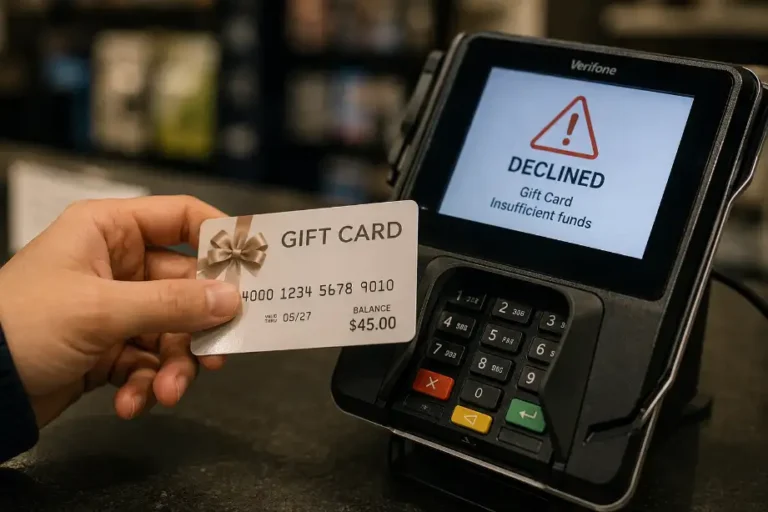
Your account may not contain enough funds to cover the purchase.
Some merchants place temporary authorization holds that increase the required amount.
For example:
- Product price: $95
- Authorization hold: $5
- Required balance: $100
If your account balance falls below the required amount, the transaction may fail.
Solution
- Check your available balance.
- Transfer funds if necessary.
- Retry the purchase after confirming sufficient funds.
Online Transactions Are Disabled
Many banks allow customers to disable online purchases for security reasons.
A card may work perfectly at ATMs and physical stores while online payments remain blocked.
Solution
Check your banking app or contact customer support to confirm:
- Online shopping is enabled
- E-commerce transactions are active
- International transactions are allowed if needed
Daily Spending Limit Reached
Banks often apply daily transaction limits to debit cards.
If your purchase exceeds the limit, the bank may reject the transaction.
Solution
- Review your spending limit.
- Request a temporary limit increase.
- Wait until the next day if the limit resets daily.
Merchant Does Not Accept Your Card Type
Some online stores accept only specific card networks.
Examples include:
- Visa
- Mastercard
- Discover
- American Express
A store may reject a card that belongs to an unsupported network.
Solution
Check the store’s accepted payment methods and use a compatible card if available.
International Transaction Restrictions
Many banks block foreign transactions to prevent fraud.
If you shop from an international website, your bank may decline the payment automatically.
Solution
Contact your bank and ask whether:
- International purchases are enabled
- Foreign currency transactions are allowed
- Geographic restrictions apply to your card
Security and Fraud Alerts
Banks monitor unusual activity to protect customers.
A transaction may trigger a security alert when:
- The purchase amount is unusually large
- The merchant operates in another country
- Multiple payment attempts occur within a short time
Solution
- Check text messages or emails from your bank.
- Approve the transaction if verification is required.
- Contact customer support to remove the block.
Expired or Replaced Card Information
Your bank may have issued a replacement card with new details.
Some shoppers accidentally use old card information stored in browsers or shopping accounts.
Solution
- Remove saved payment details.
- Enter the latest card information.
- Update digital wallets and shopping profiles.
Common Technical Issues That Cause Debit Card Rejections
Technical problems can interrupt payments even when everything appears correct.
Website Payment Gateway Errors
The merchant’s payment processor may experience temporary outages.
Signs include:
- Loading errors
- Repeated transaction failures
- Error messages during checkout
Solution
- Refresh the page.
- Wait a few minutes.
- Try the purchase later.
Browser Problems
Stored cookies and outdated browser data can interfere with payment systems.
Solution
- Clear browser cache.
- Use a different browser.
- Try another device.
Internet Connection Interruptions
An unstable connection can stop payment verification before completion.
Solution
- Connect to a reliable network.
- Avoid switching networks during checkout.
- Retry the transaction after reconnecting.
How Banks Protect Debit Card Transactions
Banks use several security measures to reduce fraud and unauthorized purchases.
Two-Factor Authentication
Many banks require additional verification through:
- One-time passwords
- Mobile banking apps
- Text message codes
Failure to complete verification can result in transaction rejection.
Address Verification Systems
The bank compares the billing address entered at checkout with the address on file.
Differences may trigger a decline.
Transaction Monitoring
Banks review spending patterns and unusual activity around the clock.
These systems help protect account holders from unauthorized transactions.
Tips to Prevent Debit Card Payment Failures
You can reduce payment problems by following a few simple practices.
Keep Account Information Updated
Always update:
- Phone number
- Email address
- Billing address
Current information helps banks verify transactions quickly.
Monitor Account Activity Regularly
Review your account for:
- Suspicious transactions
- Pending charges
- Available balance changes
Regular monitoring helps you spot issues early.
Notify Your Bank Before Large Purchases
A large transaction can appear suspicious.
Informing your bank beforehand can reduce the chance of a decline.
Use Trusted Online Stores
Choose reputable merchants with secure payment systems.
Look for:
- HTTPS websites
- Security certificates
- Verified payment processors
What to Do After a Debit Card Decline
A declined payment does not always indicate a serious problem.
Follow these steps:
- Verify all card details.
- Check your account balance.
- Review transaction limits.
- Confirm online purchases are enabled.
- Contact your bank for clarification.
- Ask the merchant whether payment system issues exist.
- Try another payment method if necessary.
These actions often resolve the issue quickly.
Alternative Payment Methods for Online Shopping
If your debit card continues to face issues, consider other payment options.
Credit Cards
Credit cards often provide:
- Broader acceptance
- Fraud protection
- Purchase dispute options
Digital Wallets
Popular digital wallets include:
- PayPal
- Apple Pay
- Google Pay
These services add another layer of payment security.
Bank Transfers
Some online stores allow direct bank transfers instead of card payments.
Virtual Cards
Several banks offer temporary virtual cards designed specifically for online purchases.
These cards can reduce fraud risks and improve payment security.
Conclusion
An active debit card can still face rejection during online purchases for many reasons. Incorrect card details, insufficient funds, spending limits, fraud protection systems, international restrictions, and technical problems often cause failed transactions. Understanding these issues helps you identify the source of the problem and take the right action.
Frequently Asked Questions
Why is my debit card active but still declined online?
Incorrect details, security restrictions, or transaction limits often cause online declines.
Can a bank block online purchases on my debit card?
Yes, many banks allow customers to disable online transactions for security reasons.
Does an incorrect billing address cause payment rejection?
Yes, billing address mismatches can trigger a transaction decline.
Can international websites reject my debit card?
Yes, foreign transaction restrictions may prevent international purchases.
Will a low account balance cause an online payment failure?
Yes, insufficient funds remain one of the most common reasons for declined transactions.
How do I know if fraud protection blocked my payment?
Your bank may send a text message, email, or app notification requesting verification.
Should I contact my bank after multiple declined transactions?
Yes, your bank can identify the exact reason for the rejection and help resolve it.