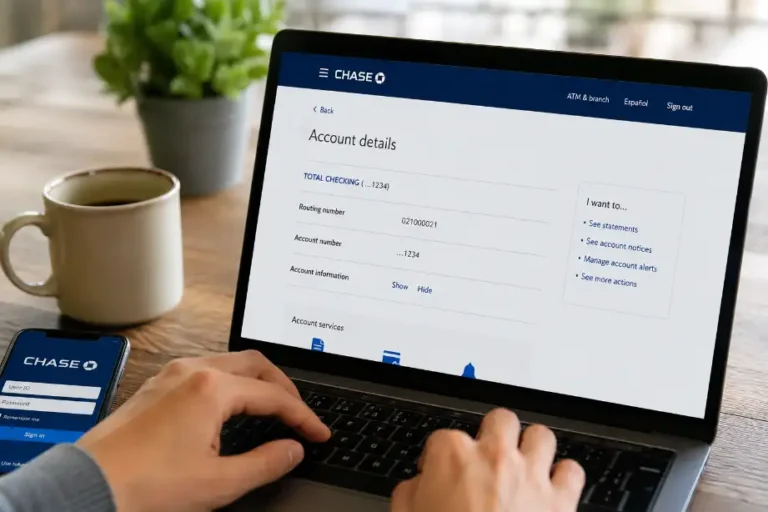
Joint Bank Accounts During Divorce or Separation: Who’s Actually Entitled to the Money

Dividing money during a divorce or legal separation often creates more conflict than dividing physical property. A joint bank account can hold salaries, savings, emergency funds, tax refunds, or household expenses that both spouses believe belong to them. The situation becomes even more complicated when one spouse deposits more money than the other or withdraws funds before the divorce is finalized.
This article explains who is actually entitled to the money in a joint bank account during divorce or separation. It covers ownership rules, marital property laws, community property principles, equitable distribution, court considerations, required documents, common mistakes, timelines, legal limitations, and practical steps to protect your financial interests.
By the end, readers will understand how courts generally approach joint accounts and what actions can help avoid costly legal disputes.
How Courts Determine Ownership of Money in a Joint Bank Account
The ownership of money in a joint bank account depends on state law, the account agreement, and the circumstances surrounding the deposits. A person’s name on the account does not automatically mean that person owns half of the money during a divorce. Courts examine multiple factors before deciding how the funds should be divided.
The first factor is whether the state follows community property or equitable distribution rules. Community property states generally consider most income earned during the marriage to belong equally to both spouses. Equitable distribution states divide marital property fairly rather than equally. Fair does not always mean a 50-50 split.
The source of the money also matters. Income earned during the marriage usually becomes marital property, even if one spouse earned significantly more. However, separate property may remain separate if it can be clearly traced. Examples include:
| Source of Funds | Usually Marital Property | Usually Separate Property |
|---|---|---|
| Employment income earned during marriage | Yes | No |
| Savings before marriage | No | Yes |
| Inheritance received by one spouse | No, unless mixed with marital funds | Yes |
| Personal injury compensation for pain and suffering | Often separate | Yes |
| Gifts made specifically to one spouse | No | Yes |
Courts also review whether separate funds became “commingled” with marital money. For example, depositing an inheritance into a joint checking account and using it for household expenses may convert part or all of the inheritance into marital property.
Another consideration involves the account agreement with the financial institution. Banks generally allow either account holder to withdraw all available funds. However, banking rights are different from ownership rights during divorce proceedings. A spouse who legally withdraws all the money from a joint account may still be ordered by the court to return a portion.
Text Infographic: How Ownership Is Evaluated
Money in Joint Account
          │
          ▼
Source of Funds
          │
          ▼
Marital or Separate Property?
          │
          ▼
State Property Laws
          │
          ▼
Commingling Analysis
          │
          ▼
Court Reviews Financial Evidence
          │
          ▼
Final Division of Funds
Understanding these factors helps spouses make informed decisions before moving or spending money from a joint account.
What You Should Do Immediately After Separation to Protect Your Financial Interests
Financial protection should begin as soon as separation becomes likely. Waiting until divorce papers are filed may increase the risk of losing access to important funds or creating legal complications.
The first step is collecting financial records. Gather several months or years of bank statements, direct deposit records, tax returns, investment statements, and proof of separate property. These documents help establish where money originated and how it was used.
Important documents include:
- Joint bank account statements
- Individual bank account statements
- Pay stubs
- Tax returns
- Retirement account records
- Mortgage statements
- Loan agreements
- Inheritance documentation
- Gift records
- Prenuptial or postnuptial agreements
Many attorneys recommend opening an individual bank account after separation for future income. New wages earned after legal separation may receive different treatment depending on state law and the specific facts of the case.
Avoid making large withdrawals without legal advice. Even if the bank permits the withdrawal, the court may view the action as an attempt to hide or waste marital assets. Judges frequently examine financial transactions that occur shortly before or after separation.
If household bills still require payment, maintain detailed records of every transaction. Clear documentation demonstrates that money supported legitimate family expenses rather than personal spending.
Common Problems and Solutions
| Problem | Possible Consequence | Recommended Solution |
|---|---|---|
| One spouse empties the account | Financial hardship | Request temporary court orders |
| Missing financial records | Difficulty proving ownership | Obtain statements directly from the bank |
| Hidden transfers | Delayed settlement | Request financial discovery |
| Mixing separate funds | Loss of separate property claim | Keep separate accounts whenever possible |
Temporary court orders can also prevent unusual withdrawals while the divorce is pending. These orders help preserve marital assets until the court reaches a final decision.
The safest approach is transparency. Honest financial disclosure generally improves credibility during divorce proceedings.
Factors That Affect Who Receives the Money During Divorce
Every divorce presents unique financial circumstances. Courts therefore consider several legal and financial factors before dividing joint account balances.
The duration of the marriage often influences property division. Longer marriages frequently involve greater financial integration, making it harder to distinguish separate property from marital property.
Each spouse’s financial contributions receive consideration. Contributions extend beyond employment income. Courts may recognize homemaking, childcare, and supporting a spouse’s career as valuable contributions to the marital partnership.
Other important factors include:
- Current income
- Future earning capacity
- Health conditions
- Existing debts
- Child custody arrangements
- Spousal support obligations
- Financial misconduct
Financial misconduct can significantly affect property division. Examples include gambling away marital funds, intentionally hiding money, destroying financial records, or making excessive luxury purchases before divorce.
Business ownership creates additional complexity. If business income regularly entered a joint account, financial experts may need to trace transactions to distinguish personal assets from business assets.
Eligibility for Claiming Separate Property
A spouse generally needs evidence showing:
- Ownership before marriage.
- Clear documentation of the original source.
- Minimal or no commingling with marital funds.
- Consistent financial records.
- Proof that both spouses did not intend to convert the funds into shared property.
Without documentation, courts often presume that money in a joint account belongs to the marital estate.
Limitations
Several limitations apply during property division.
A spouse cannot simply claim ownership because that spouse earned more money. Marriage often changes legal ownership rules.
Similarly, account ownership does not automatically determine divorce ownership.
International accounts, trusts, cryptocurrency holdings, and business accounts may require specialized legal analysis and additional financial tracing.
Typical Timeline
| Stage | Approximate Timing |
|---|---|
| Separation | Day 1 |
| Financial disclosure | Weeks to several months |
| Temporary financial orders | Within weeks or months |
| Negotiation or mediation | Several months |
| Trial, if necessary | Months to more than one year |
| Final property division | At divorce judgment |
Actual timelines vary significantly by jurisdiction and court workload.
Best Practices for Avoiding Disputes Over Joint Bank Accounts
Careful financial planning reduces conflict and strengthens legal positions during divorce.
Maintain organized financial records throughout the marriage. Accurate documentation makes property classification much easier.
Avoid transferring money to relatives or friends. Courts often scrutinize unusual transfers and may interpret them as attempts to hide assets.
Communicate through attorneys whenever financial disagreements become contentious. Professional communication reduces misunderstandings and preserves evidence.
Consider mediation when appropriate. Mediation often produces faster and less expensive resolutions than courtroom litigation.
Best Practices Checklist
✓ Save complete bank statements.
✓ Preserve electronic transaction records.
✓ Document every major withdrawal.
✓ Continue paying required household obligations.
✓ Avoid hiding or destroying financial information.
✓ Follow temporary court orders.
✓ Consult a qualified family law attorney before moving large sums.
Safety Considerations
Financial abuse sometimes accompanies separation. Immediate action may be necessary if one spouse blocks access to money, changes passwords, forges signatures, or threatens financial retaliation.
Potential warning signs include:
- Unauthorized account changes.
- Missing account statements.
- Unexpected loans.
- Unknown credit card balances.
- Sudden transfers to unfamiliar accounts.
Credit monitoring and regular account reviews can help detect unauthorized activity quickly.
Frequently Overlooked Information
Many people overlook tax consequences associated with property division. Some transfers remain tax neutral, while others create future tax obligations depending on the asset involved.
Retirement accounts usually require separate legal procedures before funds can be divided.
Joint debts also deserve attention. Closing or dividing bank accounts does not automatically remove responsibility for jointly held loans or credit obligations.
Finally, every state applies different property division laws. Legal advice based on local law remains essential before making significant financial decisions.
Frequently Asked Questions
Can one spouse legally empty a joint bank account before divorce?
Yes, the bank may allow the withdrawal, but a court may later require repayment or adjustment during property division.
Does removing a spouse’s name from a joint account change ownership?
No, changing account access does not automatically change legal ownership rights in divorce.
Can an inheritance lose its separate property status?
Yes, an inheritance may become marital property if it is substantially commingled with shared funds.
Will the court always divide a joint account equally?
No, many states divide marital property according to equitable distribution rather than an equal percentage.
Can financial records from several years earlier affect the outcome?
Yes, historical bank records often help courts trace the origin and ownership of disputed funds.