Authorized User vs. Joint Account Holder: The Liability Trap Nobody Explains

Adding another person to a credit card or bank account may seem like a simple financial decision, but choosing the wrong option can create unexpected legal and financial consequences. Many people assume that an authorized user and a joint account holder have the same rights and responsibilities.
That assumption often leads to debt disputes, damaged credit scores, ownership conflicts, and financial liability that could have been avoided. Understanding the difference before signing any account agreement protects both your finances and your legal rights. This guide explains every important distinction between an authorized user and a joint account holder.
You will learn how liability works, who owns the funds, how credit reporting differs, what documents are required, the risks involved, common mistakes, and the best situations for each account type.
What Is the Difference Between an Authorized User and a Joint Account Holder?
The primary difference is financial responsibility. An authorized user receives permission to use an account. A joint account holder becomes a legal owner of the account.
For credit cards, an authorized user can make purchases if the primary cardholder allows it. The authorized user does not sign the original credit agreement. Because of that, the authorized user usually has no contractual obligation to repay the debt.
A joint account holder signs the account agreement with the lender or bank. Every joint owner accepts equal legal responsibility for the account.
For bank accounts, every joint owner has full ownership rights unless the account agreement limits those rights. Each owner can usually deposit money, withdraw funds, write checks, transfer money, and close the account.
Comparison Table
| Feature | Authorized User | Joint Account Holder |
|---|---|---|
| Legal owner | No | Yes |
| Responsible for debt | Usually No | Yes |
| Can use account | Yes | Yes |
| Signs account agreement | No | Yes |
| Builds credit history | Often Yes | Yes |
| Can remove another user | No | Usually No |
| Equal ownership rights | No | Yes |
| Liable if payments are missed | Usually No | Yes |
Simple Infographic
PRIMARY ACCOUNT HOLDER
          │
          ├──────────────► Authorized User
          │               • Can use account
          │               • Usually not liable
          │               • Limited authority
          │
          └──────────────► Joint Account Holder
                          • Owns account
                          • Fully liable
                          • Equal legal rights
Many banks and credit card issuers have different internal policies. Always read the account agreement before adding another person.
Liability Rules That Create the Biggest Financial Trap
Liability is the most misunderstood part of shared accounts.
A joint account holder shares full legal responsibility for every dollar borrowed or owed. It does not matter which person created the debt. The lender may collect the full balance from either owner.
For example, imagine two spouses open a joint credit card.
- Spouse A spends $20,000.
- Spouse B spends nothing.
- They separate.
The lender can legally demand payment from either spouse because both signed the agreement.
An authorized user faces a different situation.
If the primary cardholder fails to pay the balance, the authorized user generally does not owe the lender because the authorized user never signed the lending contract.
However, there are important exceptions.
Some lenders may pursue an authorized user if:
- The authorized user actually signed another legal agreement.
- State laws create special liability rules.
- Fraud occurred.
- The authorized user falsely represented ownership.
Common Liability Mistakes
| Mistake | Possible Result |
|---|---|
| Adding a partner as a joint owner without understanding liability | Shared debt |
| Assuming divorce removes responsibility | Debt often remains shared |
| Confusing account access with ownership | Unexpected legal disputes |
| Ignoring account agreements | Loss of legal protections |
A divorce decree also does not automatically remove liability. Even if a court orders one spouse to pay the debt, the lender may still pursue both joint borrowers because the lender was not a party to the divorce order.
This misunderstanding causes thousands of debt collection disputes every year.
Credit Score Impact, Eligibility, and Account Requirements
Credit reporting works differently for authorized users and joint account holders.
Many major credit card issuers report authorized user accounts to the major credit bureaus. This reporting may help someone establish or improve a credit history when the primary account has a positive payment record.
Positive factors include:
- Long account history
- Low credit utilization
- On-time payments
- High credit limit
Negative activity also matters.
Late payments, high balances, and defaults may appear on an authorized user’s credit report if the issuer reports the account.
Joint account holders experience direct credit effects because they legally own the account.
Every payment affects both owners.
Eligibility Requirements
Most banks require:
| Requirement | Authorized User | Joint Account Holder |
|---|---|---|
| Government ID | Usually | Yes |
| Personal information | Yes | Yes |
| Social Security Number or Tax ID | Often | Yes |
| Credit review | Usually No | Often Yes |
| Signature | Usually No | Yes |
Young adults often become authorized users before applying for independent credit.
Parents frequently use this strategy to help children begin building credit.
Lenders evaluate joint applicants differently.
Each applicant’s income, credit history, debt obligations, and identity verification may influence approval.
Some financial institutions require every joint applicant to appear in person or complete digital identity verification before opening the account.
Rights, Benefits, Limitations, and Documents You Need
Ownership rights separate these two account types more than anything else. An authorized user receives limited privileges.
Depending on the issuer, an authorized user may:
- Make purchases
- Receive a card
- View account information
- Access online banking
An authorized user usually cannot:
- Close the account
- Increase the credit limit
- Add new users
- Change account ownership
- Negotiate payment terms
A joint account holder usually can perform every major account function.
Benefits of Becoming an Authorized User
- Builds credit history in many situations
- No legal debt responsibility in most cases
- Easy to add or remove
- Helpful for students and young adults
Benefits of Becoming a Joint Account Holder
- Equal ownership
- Shared financial management
- Combined access to funds
- Simplified household banking
Limitations
Authorized users depend entirely on the primary account holder. Joint owners depend on each other’s financial behavior.
Documents Commonly Required
Authorized User
- Name
- Date of birth
- Identification
- Social Security Number if required
Joint Account Holder
- Government-issued identification
- Social Security Number or Tax ID
- Proof of address
- Signature
- Income information for some credit products
Missing documents can delay approval or require additional identity verification.
Common Problems, Timelines, Best Practices, and Frequently Overlooked Risks
Most shared account problems happen because expectations were never discussed.
Problem 1: Unauthorized Spending
A joint owner can legally withdraw or spend money. The other owner may have little legal protection if the transaction complied with the account agreement.
Problem 2: Credit Score Damage
One missed payment may negatively affect every joint owner’s credit report. Authorized users may also experience credit effects if the issuer reports the account.
Problem 3: Removing Someone From the Account
Authorized users can often be removed within one business day after the primary account holder requests removal.
Joint account holders usually require:
- Bank approval
- Written authorization
- Account closure
- Debt repayment in some cases
Typical Timelines
| Process | Typical Timeline |
|---|---|
| Add authorized user | Minutes to several business days |
| Receive authorized user card | About 5 to 10 business days |
| Open joint account | Same day to several business days |
| Remove authorized user | Same day to several business days |
| Remove joint owner | Often requires account changes and may take several days or longer |
Best Practices
- Read every account agreement.
- Understand liability before signing.
- Monitor account statements monthly.
- Set spending expectations.
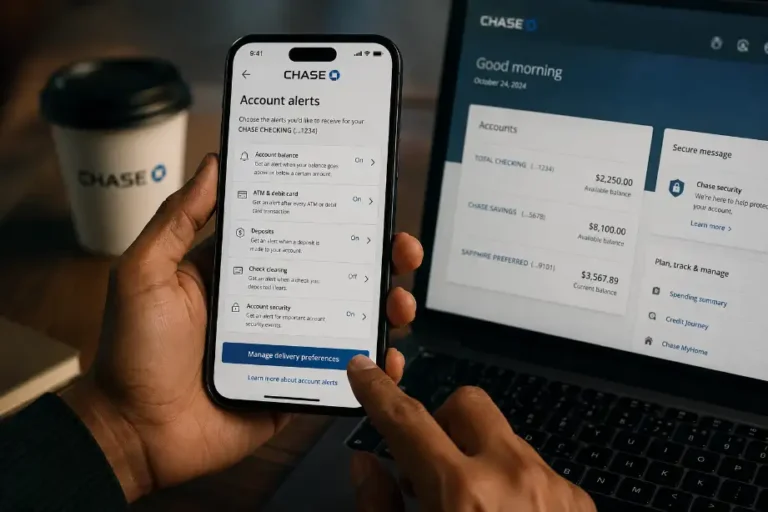
- Enable fraud alerts.
- Use transaction notifications.
- Review credit reports regularly.
- Remove unused authorized users.
- Avoid opening joint credit with someone you do not fully trust.
Warning Signs
⚠ Shared debt increasing rapidly
⚠ Missed monthly payments
⚠ Unexpected balance transfers
⚠ Unauthorized withdrawals
⚠ Credit score dropping suddenly
⚠ Collection notices arriving
Safety Considerations
- Protect login credentials.
- Use multi-factor authentication.
- Monitor account activity through mobile banking.
- Immediately report lost cards.
- Keep contact information current with the bank.
Frequently Overlooked Facts
Many people assume authorized users automatically inherit account ownership after the primary account holder dies. That is generally incorrect. Ownership depends on the account type and applicable estate laws.
Joint bank accounts often include survivorship rights, but those rights depend on how the account was established and local law.
Some banks no longer allow new joint credit card accounts, even though older joint accounts remain active.
Business accounts may follow different ownership and liability rules than personal accounts.
Always confirm your bank’s policies before making permanent financial decisions.
FAQs
Does removing an authorized user erase previous credit history?
No, previous reporting may remain on the credit report depending on the credit bureau and card issuer.
Can one joint account holder freeze another owner’s access?
Generally, no, because each joint owner usually has equal contractual rights unless a court or the bank restricts access.
Can an authorized user redeem credit card rewards?
The answer depends entirely on the card issuer’s rewards program and account settings.
Is a joint account automatically closed when one owner dies?
No, many joint accounts continue under survivorship rules, although the outcome depends on the account agreement and applicable law.
Can an authorized user dispute fraudulent purchases?
Yes, an authorized user can usually report unauthorized transactions, but the primary account holder often remains responsible for managing the account dispute.