
 InternationalBahraini Chicken Shawarma
Crispy Zinger Burger
Shatteringly crisp fried chicken thigh in a toasted brioche bun — the real restaurant method, coating trick included.
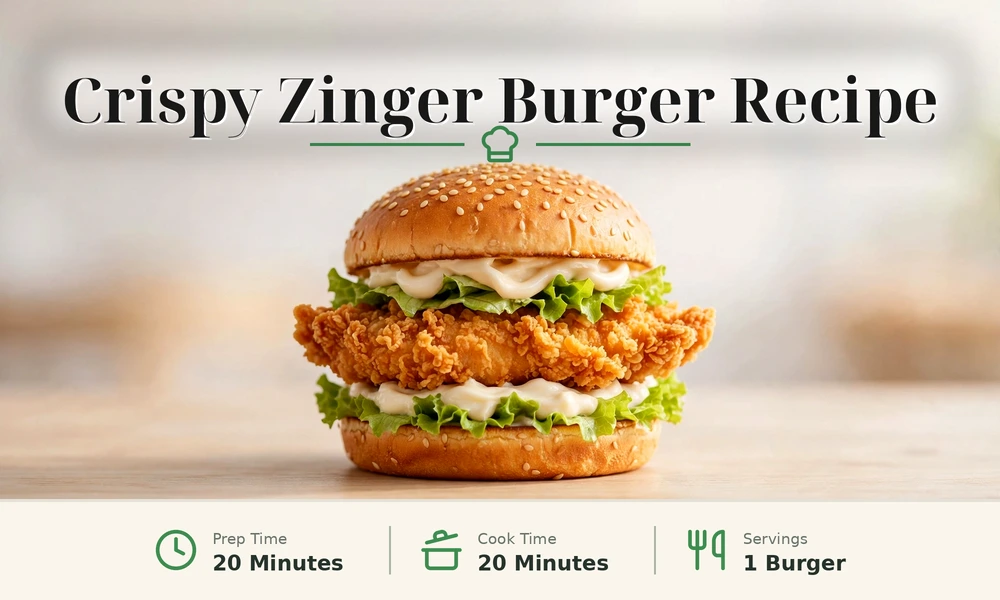
Prep Time:20 minutes (+ 4 to 6 hours marination)
Total Time:5 to 7 hours
Servings:1 zinger burger (multiply everything for more)
Allergen warning
This recipe contains: Gluten, Soy. If you have a food allergy, check every ingredient label before cooking.
On this page
Let me be honest with you before we start.
If you type "zinger burger recipe" into Google or YouTube, you will find hundreds of recipes, and almost 90% of them are fake. They are written by people who have never stood inside a real restaurant kitchen at 7 PM with orders flying in.
I have stood in that kitchen. I have made this exact zinger hundreds of times for real paying customers. Today I am sharing the actual professional method: the marination, the coating trick, the frying temperature, everything. Follow it properly, and your homemade zinger will taste like the restaurant one. It might even taste better, fresh out of your own karahi.
| Calories | Protein | Carbs | Fat |
|---|---|---|---|
| 1150 | 30 g | 100 g | 65 g |
Estimated values per serving. See the Nutrition section below for details.
🧂 Ingredients
For the Marination (one 100–130g boneless chicken thigh)
- 4 to 5 tablespoons soy sauce
- 1 tablespoon chili sauce
- 2 to 3 tablespoons crushed red chili
- 3 to 4 teaspoons garlic powder
- 1 teaspoon black pepper
- 2 to 3 teaspoons red chili powder
For the Crispy Coating Station
- 1 kg refined all-purpose flour (maida), in a deep bowl
- 1 litre water, in a separate bowl
For Frying and Assembly
- Cooking oil for deep frying (never ghee, see the pro tips below)
- 1 burger bun
- Mayonnaise of a good brand, as much as you like (see: restaurant mayonnaise recipe)
- Ketchup, as much as you like
- Mustard sauce (optional)
- 1 fresh lettuce leaf
Method
Step 1: Marinate the Chicken (This Is Where the Magic Starts)
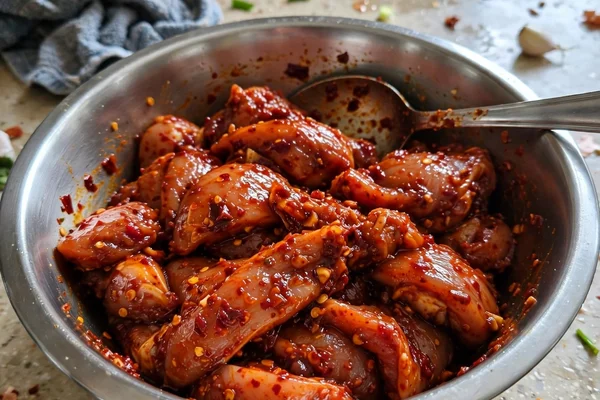
Take your boneless chicken thigh (100 to 130 grams — thigh, not breast, and I will tell you why in the FAQs) and wash it properly. Now mix all the marination ingredients — soy sauce, chili sauce, crushed chili, garlic powder, black pepper, and red chili powder — and rub them all over the chicken. Every corner should be covered. Now put the chicken in the fridge — the lower portion, not the freezer — for 4 to 6 hours. NEVER freeze it. I know waiting 6 hours feels like torture when you want a zinger NOW, but trust me: this waiting time is doing all the heavy work. The spices go deep inside the meat, the chicken becomes tender, and that raw chicken smell disappears completely. When I first started, I tried to cheat with 1-hour marination. The result? The chicken smelled funny and tasted like spicy rubber. Never again.
Step 2: Set Up Your Coating Station
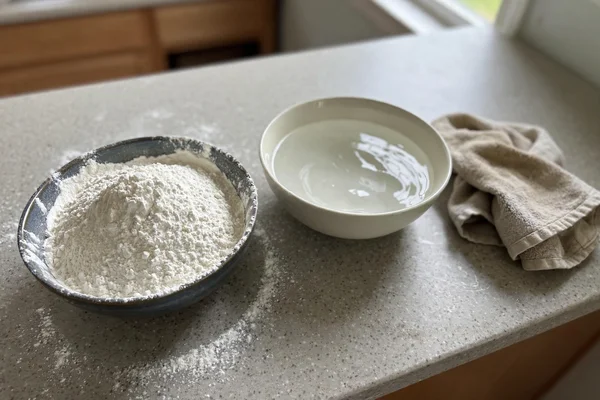
Take a deep bowl and fill it with the all-purpose flour. Take another bowl and fill it with water. That's your station — flour bowl, water bowl, and your marinated chicken. Simple. One golden rule before we start: your hands must be DRY when they go into the flour. Wet hands in dry flour means sticky lumps and a ruined coating. Keep a towel nearby.
Step 3: The Real Trick — Press and Twist (My Favorite Part)
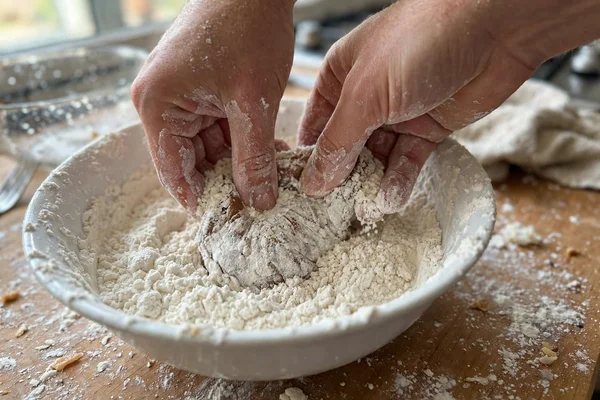
This is the step that separates a real zinger from a sad homemade copy, so read carefully. Put the marinated chicken piece into the flour bowl and press it down firmly. Throw flour over it with your hands until NO part of the chicken is visible. Not a single spot. The chicken should be completely buried, like it is hiding from someone. Now here is the actual restaurant trick: while the chicken is still buried inside the flour, twist it with your fingers — press and twist, press and twist. Do this 5 to 6 times. The chicken stays covered in flour the whole time. You will feel the coating building up under your fingers. When I first learned this, the senior cook just smiled and said "twist it like you mean it" — and he was right.
Step 4: The 30-Second Water Dip (Don't Skip This)
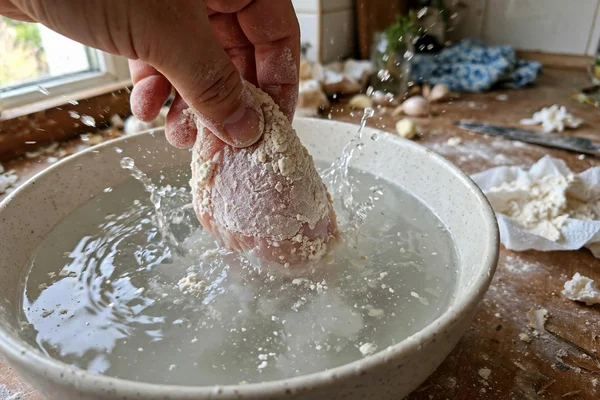
Take the flour-covered chicken out and dip it into the water bowl for exactly 30 seconds. Yes, just 30 seconds — count it. Then take it out and repeat the same flour press-and-twist process again. Now look at your chicken. See those small little crumbs and flakes forming on the surface? THAT is the famous zinger texture being born. Those little crumbs are what become super crispy in the hot oil. The first time I saw this happen, I actually laughed out loud in the kitchen. It felt like magic, but it is just technique.
Step 5: Fry It Right (Patience, My Friend)
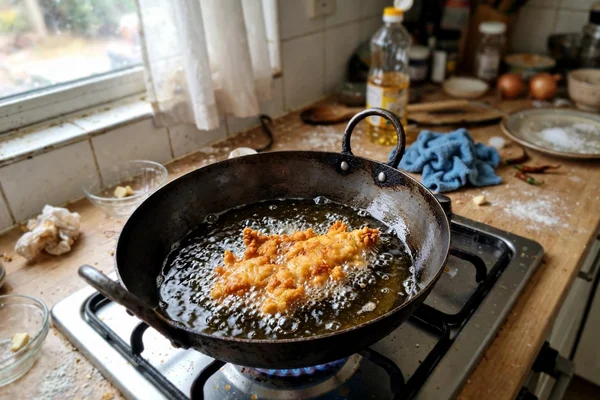
Heat your cooking oil to 180–200°C. If you have a kitchen thermometer, use it — restaurants always do. If you are cooking at home without one, keep the flame on medium to high. The oil should be hot and shimmering, but NEVER smoking. If the oil starts smoking, it is too hot — lower the flame and wait a little. Gently slide the coated chicken into the hot oil and let it deep fry for about 20 minutes. Don't rush it and don't keep poking it. Let it do its thing. When it turns deep golden and crispy, take it out and let the extra oil drain off.
Step 6: Toast the Bun and Assemble Like a Pro
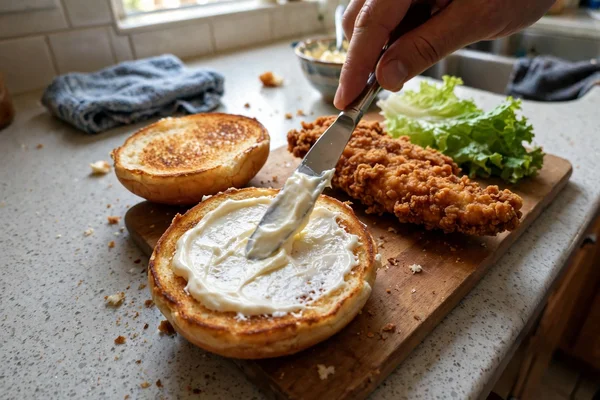
While the chicken rests, put your bun on a hot tawa with a little oil and toast it until golden. A toasted bun is not optional in my book — it adds crunch and stops the bun from getting soggy under the mayo. Now build your burger: spread a generous layer of good mayonnaise on the bun (for the authentic taste, use our professional restaurant-style mayonnaise recipe — link in the ingredients above), add mustard sauce if you like, place a fresh lettuce leaf, squeeze on some ketchup, and finally lay that beautiful crispy chicken piece on top. Close the bun. Wrap it in paper or foil like restaurants do — it keeps everything together and, honestly, it just feels more exciting to unwrap. Serve with a cold drink. You earned it.
Pro Tips
Small things that make a big difference:
> Fry one piece first as a test batch. Check the crust color and the cooking time before committing the rest.
> Use tongs with silicone tips. Metal tongs can crack the coating and let oil seep underneath.
> Warm the serving plates. Cold plates cool the chicken fast and soften the crust.
- Never use ghee for frying. Restaurants use cooking oil. Ghee changes the taste and the coating never crisps right.
- Never put wet hands into the flour. Use dry hands every single time you touch the coating station.
- Keep the chicken buried deep in the flour while twisting. Any peeking spot turns patchy.
- Keep your flour clean. Strain out fallen crumbs as you go. Dirty flour makes lumpy coating.
- Never smoke the oil. Smoking oil gives the chicken a burnt taste. Keep the flame at medium to high, no more.
- Give marination its full time. Short marination means chicken smell and tough meat. There is no shortcut here.
Nutrition
One zinger burger provides an estimated 1150 calories, 30 grams of protein, 100 grams of carbohydrates, and 65 grams of fat. These values use the Atwater system: 4 calories per gram of protein, 4 per gram of carbohydrate, and 9 per gram of fat. They cover the chicken thigh, flour coating, absorbed frying oil, bun, mayonnaise, and ketchup.
One zinger covers roughly half of the 2000 to 2500 calories an adult needs per day according to the World Health Organization. The mayonnaise and the absorbed frying oil supply most of the fat, and one tablespoon of mayonnaise provides about 100 calories according to USDA FoodData Central. Deep frying adds significant calories, and that oil is exactly what creates the famous crispy coating.
Note
A zinger is a heavy meal. Plan the rest of your day's food around it if you track your calories.
FAQs
Can I use chicken breast instead of thigh?
You can, but I do not recommend it. Thigh meat stays juicy and tender even after 20 minutes of frying, while breast tends to dry out and turn chewy. If you must use breast, pound it to an even thickness first.
Why does my coating fall off in the oil?
Three possible reasons: your hands were wet during coating, the chicken was not buried deep enough in the flour, or your oil was not hot enough. Fix these three and the coating will stay exactly where it belongs.
Can I freeze the marinated chicken for later use?
No. Never freeze it. Freezing damages the texture of the marinated meat. Keep it in the lower portion of the fridge and cook it within the marination window.
How do I check the oil temperature without a thermometer?
Keep the flame on medium to high and drop a tiny pinch of flour into the oil. If it sizzles and rises immediately without burning, the temperature is right.
Conclusion
So there you have it: my real, professional, restaurant-style crispy zinger burger recipe. No fake promises, no missing steps. Just the method I have used hundreds of times, now in your kitchen.
Try it this weekend and tell me how it turned out. If you have any question about the marination, the frying, or anything at all, ask in the comments. I reply, because I have actually made this.
Related recipes
InternationalBahraini Chicken Shawarma InternationalProfessional Mayonnaise
 InternationalCreamy Restaurant Pasta